
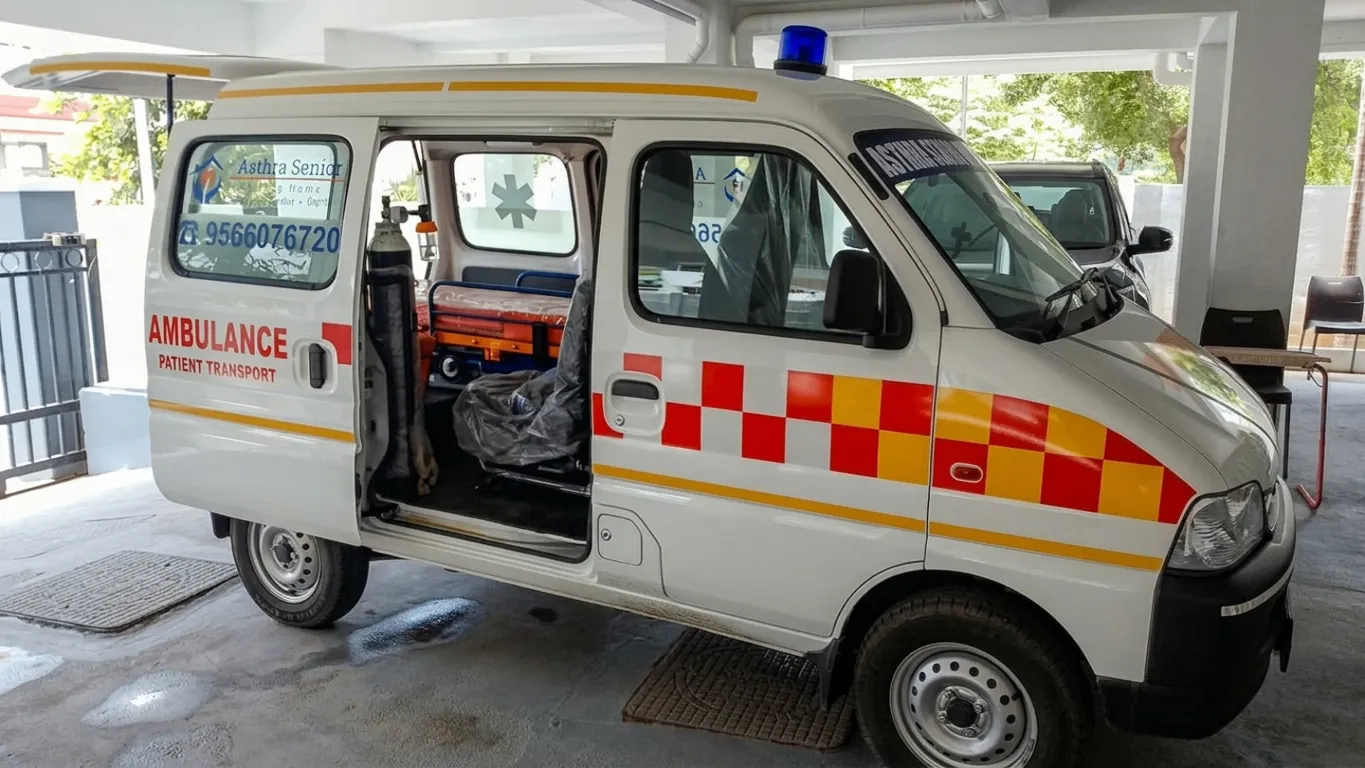
Understanding Non-Emergency Ambulance Services
Non-emergency ambulances play a vital role in modern healthcare by providing safe and professional transportation for individuals who require medical assistance but do not face an immediate life-threatening condition. These specialized transportation services bridge the gap between standard transportation options and emergency ambulance services, ensuring patients receive appropriate care while traveling to and from medical facilities.
Unlike emergency ambulances that respond to critical situations requiring immediate intervention, non-emergency ambulances operate on a scheduled basis. They focus on transporting patients safely while maintaining their medical stability and comfort.
Who Needs Non-Emergency Ambulance Transportation?
Non-emergency ambulance services are essential for a wide range of patients. Many individuals are medically stable but cannot travel independently due to physical limitations, medical equipment requirements, or the need for continuous monitoring.
Patients undergoing regular dialysis treatments frequently use non-emergency ambulances to ensure timely and safe transportation. Cancer patients receiving chemotherapy or radiation therapy often benefit from these services when fatigue and treatment side effects make independent travel difficult.
Individuals recovering from orthopedic surgeries, spinal procedures, or major operations may require stretcher transportation and professional assistance during travel. Elderly patients who face mobility restrictions or require support transferring between locations also rely heavily on non-emergency ambulance services.
Features of Modern Non-Emergency Ambulances
Today’s non-emergency ambulances are equipped with advanced features designed to enhance patient safety and comfort. These vehicles are carefully maintained and outfitted with essential medical equipment to support patients during transportation.
Modern non-emergency ambulances commonly include:
Comfortable stretchers and wheelchairs
Oxygen support systems
Patient monitoring equipment
Safe lifting and transfer equipment
Climate-controlled interiors
Spacious patient compartments
Communication systems connecting staff with healthcare facilities
Highly trained drivers and medical attendants ensure patients receive professional assistance from pickup to destination. Their expertise helps minimize transportation-related risks while maintaining patient dignity and comfort.
Benefits of Choosing Non-Emergency Ambulance Services
Choosing a non-emergency ambulance provides numerous advantages compared to standard transportation methods.
Enhanced Patient Safety
Safety remains the primary benefit of professional medical transportation. Patients receive assistance from trained personnel who understand medical conditions, mobility limitations, and emergency protocols. Continuous observation helps identify potential issues before they become serious concerns.
Professional Medical Support
Non-emergency ambulances often include qualified medical staff capable of assisting patients during transport. This support is particularly valuable for individuals requiring oxygen therapy, medication monitoring, or specialized positioning.
Comfort During Travel
Patients experiencing pain, weakness, or limited mobility benefit significantly from the comfortable environment provided by non-emergency ambulances. Specialized stretchers and supportive seating reduce physical strain during transportation.
Reliable Scheduling
Healthcare appointments are often time-sensitive. Non-emergency ambulance providers prioritize punctuality, helping patients arrive on schedule for consultations, treatments, procedures, and discharge transfers.
Stress-Free Transportation
Families and caregivers often experience reduced stress when professional transportation services handle patient transfers. This allows loved ones to focus on supporting the patient’s recovery and well-being.
Types of Non-Emergency Ambulance Transportation
Different patients require different levels of transportation support. Non-emergency ambulance services typically offer several transportation options to accommodate varying medical needs.
Stretcher Transportation
Stretcher transportation is designed for patients who must remain lying down during travel. This service is commonly used for post-surgical patients, individuals with severe mobility limitations, and patients recovering from significant injuries.
Wheelchair Transportation
Wheelchair-accessible ambulances serve patients who cannot walk independently but can remain seated during transport. These vehicles include secure wheelchair restraints and accessibility features that enhance safety.
Basic Life Support Transport
Basic Life Support transportation includes trained medical personnel and essential medical equipment. Patients who require monitoring but are medically stable often benefit from this level of service.
Long-Distance Medical Transport
Long-distance non-emergency ambulance services facilitate safe transportation between cities, regions, and healthcare facilities. These transfers are particularly important for patients relocating closer to family members or specialized treatment centers.
Common Situations Requiring Non-Emergency Ambulances
Many healthcare situations require specialized transportation solutions. Hospitals, rehabilitation centers, nursing facilities, and private residences frequently arrange non-emergency ambulance services for various patient needs.
Common scenarios include hospital admissions, hospital discharges, rehabilitation transfers, nursing home transportation, specialist consultations, diagnostic testing appointments, dialysis sessions, chemotherapy treatments, and post-operative follow-up visits.
Patients transitioning between healthcare facilities often require professional medical transportation to ensure continuity of care and minimize complications during travel.
The Role of Trained Medical Personnel
The quality of non-emergency ambulance services depends heavily on the expertise of the professionals providing care. Drivers, emergency medical technicians, attendants, and support staff undergo specialized training to meet patient transportation requirements.
These professionals assist with patient transfers, monitor comfort levels, manage mobility equipment, and respond appropriately to changing medical conditions. Their knowledge helps create a safe transportation environment while maintaining the highest standards of patient care.
Compassion and professionalism are equally important. Medical transportation personnel understand that patients may feel anxious or vulnerable during travel, and they work diligently to provide reassurance and support throughout the journey.
How Non-Emergency Ambulances Support Healthcare Systems
Non-emergency ambulance services contribute significantly to healthcare efficiency. By providing dedicated transportation for medically stable patients, these services help hospitals and emergency medical systems focus resources on urgent and critical cases.
Healthcare facilities rely on professional patient transportation to streamline admissions, discharges, and inter-facility transfers. This improves operational efficiency while enhancing patient satisfaction and care coordination.
The availability of reliable transportation also helps reduce missed appointments, delayed treatments, and interruptions in ongoing care plans. Consistent access to medical services can improve health outcomes and support long-term patient wellness.
Choosing the Right Non-Emergency Ambulance Provider
Selecting a trusted transportation provider is essential for ensuring a positive patient experience. Several factors should be considered when evaluating available services.
A reputable provider maintains properly equipped vehicles, employs trained personnel, follows strict safety protocols, and demonstrates a commitment to patient-centered care. Transparent communication, punctual service, and professional conduct are also important indicators of quality.
Providers with experience handling diverse medical conditions are often better equipped to address individual patient requirements. Comprehensive transportation planning helps ensure every journey proceeds smoothly and safely.
Future of Non-Emergency Ambulance Services
The demand for non-emergency ambulance transportation continues to grow as healthcare systems expand home-based care, outpatient treatments, and specialized rehabilitation services. Advances in medical technology, vehicle design, and patient monitoring capabilities are enhancing transportation quality and safety.
Innovations such as digital scheduling systems, GPS tracking, real-time communication tools, and improved patient monitoring equipment are transforming the patient transportation experience. These developments help providers deliver more efficient, reliable, and personalized services.
As healthcare evolves, non-emergency ambulance transportation will remain a critical component of patient care, ensuring individuals can access essential medical services safely, comfortably, and with professional support.
Conclusion
Non-emergency ambulances provide an indispensable healthcare transportation solution for patients who require medical assistance without immediate emergency intervention. Through specialized vehicles, trained personnel, advanced equipment, and patient-focused care, these services ensure safe and comfortable transportation for a wide range of medical needs. Whether supporting routine treatments, hospital transfers, rehabilitation appointments, or long-distance medical journeys, non-emergency ambulance services continue to improve accessibility, safety, and quality of care for patients and families alike.