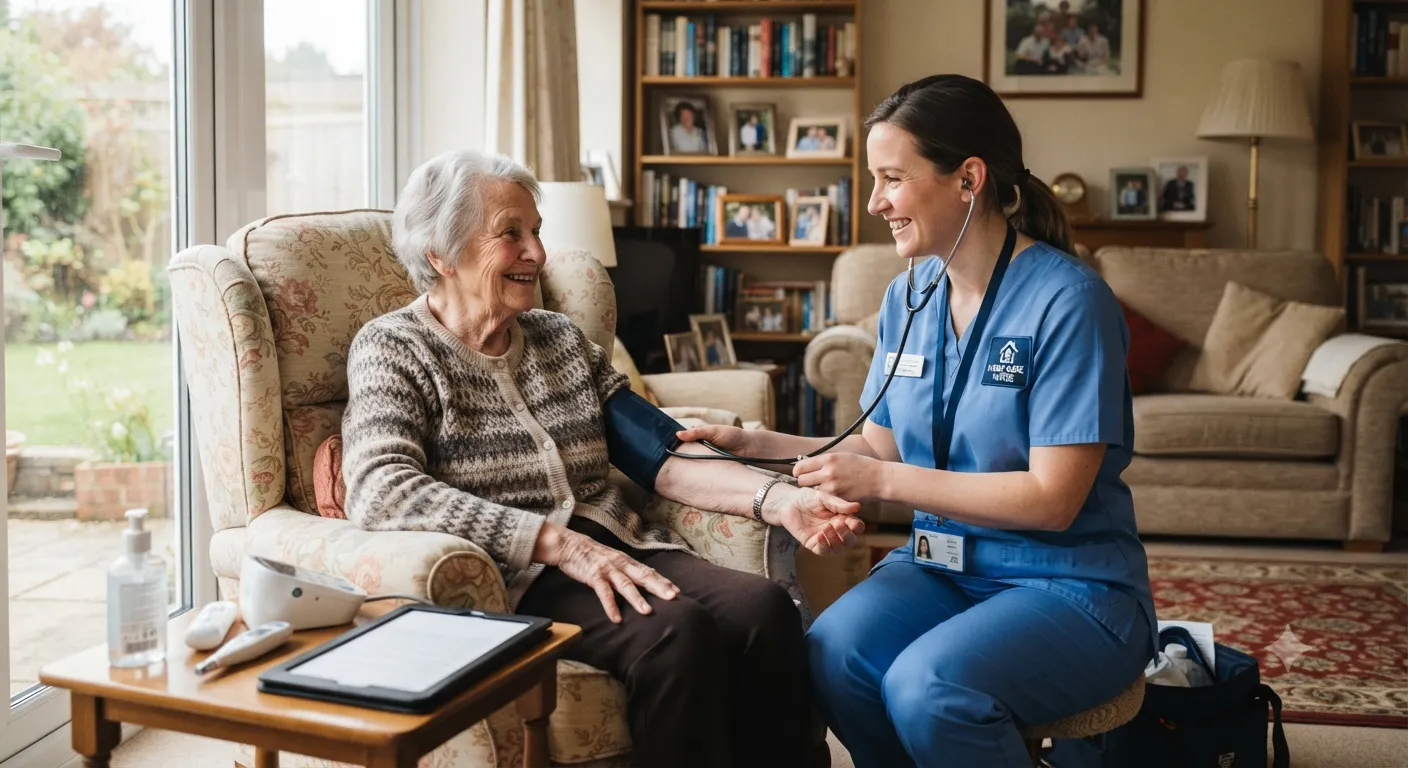

Physiotherapy at Home for Seniors and Patients
As people grow older or recover from an illness, injury, surgery, or long-term health condition, movement can sometimes become difficult. Simple activities such as walking, standing, climbing stairs, or getting out of bed may require additional support. Physiotherapy at home provides a convenient way for seniors and patients to receive professional rehabilitation and mobility support without the stress of travelling to a clinic.
Home-based physiotherapy is particularly useful for individuals who have difficulty travelling, are recovering after hospitalization, or need regular exercises and mobility training. With sessions conducted in a familiar home environment, patients can receive personalized attention while working toward better strength, flexibility, balance, and independence.
What Is Physiotherapy at Home?
Physiotherapy at home is a rehabilitation service in which a qualified physiotherapist visits the patient’s residence and provides treatment based on their individual condition and recovery needs.
Instead of asking a patient to travel to a physiotherapy centre, treatment is provided in the comfort of their own home. The physiotherapist may assess mobility, muscle strength, balance, flexibility, posture, and functional limitations before developing an appropriate exercise and rehabilitation plan.
The treatment approach can vary depending on whether the patient is recovering from surgery, managing an age-related mobility problem, dealing with an injury, or living with a neurological or chronic condition.
Why Choose Physiotherapy at Home for Seniors?
For many seniors, travelling to a clinic can be tiring or inconvenient. Mobility limitations, weakness, balance problems, or dependence on family members can make regular clinic visits challenging.
Physiotherapy at home for seniors removes much of this difficulty. The physiotherapist can work directly with the senior in their everyday environment and focus on movements that are relevant to daily activities.
Home physiotherapy may help seniors work toward:
Better mobility and flexibility
Improved muscle strength
Better balance and coordination
Greater confidence while walking
Improved ability to perform daily activities
Safer movement around the home
Recovery following surgery or hospitalization
Maintaining physical independence
Who Can Benefit From Home Physiotherapy?
Home physiotherapy can be suitable for a wide range of patients. It may be especially helpful for individuals who cannot easily travel to an outpatient physiotherapy centre.
Patients who may benefit include:
Senior citizens with reduced mobility
Patients recovering from surgery
Individuals recovering from injuries
Patients experiencing muscle weakness
People with balance or walking difficulties
Patients requiring rehabilitation after hospitalization
Individuals living with certain neurological conditions
Patients with chronic mobility limitations
Bedridden or less-mobile patients requiring appropriate rehabilitation
Seniors who need support to maintain functional independence
The appropriate treatment depends on the patient’s medical condition and should be planned by a qualified healthcare professional.
Physiotherapy After Surgery
Recovery does not always end when a patient leaves the hospital. Following surgery, patients may experience weakness, stiffness, reduced movement, or difficulty returning to their normal routine.
Post-operative physiotherapy at home can support the rehabilitation process by introducing appropriate exercises and movement training according to the patient’s condition and healthcare team’s recommendations.
A physiotherapist may focus on gradually improving mobility, strength, flexibility, balance, and functional movement. The exercises should always be adjusted according to the individual’s recovery stage and medical requirements.
Physiotherapy for Bedridden Patients
Patients who spend extended periods in bed may experience reduced muscle strength, stiffness, limited joint movement, and difficulties with functional mobility.
Where clinically appropriate, a physiotherapist can introduce gentle movements and exercises designed around the patient’s abilities. The objective may include maintaining joint mobility, supporting muscle function, improving positioning, and preparing the patient for greater movement when possible.
For bedridden patient care, physiotherapy should be coordinated carefully with the patient’s overall healthcare plan.
Common Physiotherapy Treatments at Home
A home physiotherapy program can include different techniques depending on the patient’s needs. After assessment, the physiotherapist may recommend exercises and rehabilitation activities such as:
1. Strengthening Exercises
Strengthening exercises can help improve muscle function and support everyday movements such as standing, walking, and transferring from a bed to a chair.
2. Mobility Exercises
Mobility exercises can help patients gradually work on joint movement and functional mobility.
3. Balance Training
Balance exercises may be included for seniors and patients who experience instability while standing or walking.
4. Flexibility Exercises
Gentle stretching and flexibility exercises can help maintain or improve movement where appropriate.
5. Walking and Gait Training
Patients who have difficulty walking may receive exercises and practical guidance designed around their mobility level.
6. Functional Training
Physiotherapy can focus on everyday activities such as sitting, standing, transferring, and moving safely around the home.
Benefits of Physiotherapy at Home
One of the biggest advantages of home physiotherapy is convenience. Patients do not have to arrange transportation or spend additional time travelling to a clinic.
Other potential benefits include:
Personalized attention: Sessions can be tailored to the patient’s individual abilities.
Comfortable environment: Patients can exercise in a familiar setting.
Convenience for families: Family members can better understand the patient’s rehabilitation routine.
Reduced travel challenges: Helpful for patients with limited mobility.
Functional rehabilitation: Exercises can relate directly to activities performed at home.
Consistent support: Regular sessions can help patients follow a structured rehabilitation plan.
Greater confidence: Gradual progress may help patients feel more comfortable with movement.
Conclusion
Physiotherapy at home offers a convenient and personalized approach to rehabilitation for people who find travelling to a clinic difficult or who benefit from treatment in their familiar surroundings. From post-operative recovery and mobility training to strengthening, balance exercises, and functional rehabilitation, home-based physiotherapy can be adapted to individual needs.
For seniors, patients, and families looking for ongoing rehabilitation support, working with a qualified physiotherapist can provide structured guidance while helping patients work toward greater mobility, confidence, and independence in their daily lives.